Product · 19 February 2026
How to Book a Service After Checkout: A Step-by-Step Guide
9 min read
The full step-by-step for booking a Vehicall service. Whether you're hiring a man and van, a courier, a rubbish clearance or a house clearance, the flow is the same. Here's how it works, what happens behind the scenes, and how to reschedule.
Step 1 — Pick a service
Two routes:
- Direct service page — e.g. man and van, furniture courier, rubbish clearance, house moves.
- AI scan — open AI Vision and let the model recommend the right service from your photos.
Step 2 — Define the job
- Volume or item list.
- Pickup + drop-off addresses (or pickup only for clearances).
- Access notes (lift, stairs, parking).
- Any extras (porter, flat-pack disassembly, jet-washing).
Step 3 — Pick a slot
Live availability across 7am–9pm, 7 days a week. Same-day slots show up if booked before the cut-off (11am for afternoon, 2pm for evening). For peak student-move periods see student moves.
Step 4 — Pay
Card, Apple Pay, Google Pay, or crypto. Fixed-price jobs are paid at booking. Hourly jobs are pre-authorised at booking and captured at completion. See the checkout article.
Step 5 — Confirmation
- Instant SMS + email with booking reference.
- 30 minutes before slot, an SMS with driver name + ETA.
- Driver's mobile shown for direct WhatsApp.
Step 6 — Service
Crew arrives, executes, presents paperwork (delivery note or Waste Transfer Note), payment captured.
Rescheduling
Free reschedule up to 4 hours before slot via the contact page WhatsApp. Inside 4 hours, a 30% retention fee applies (the driver is already routed). Full policy in the T&Cs.
Cancellations
Free up to 24 hours before slot. 50% inside 24 hours. 100% on no-show.
What if I need help?
- WhatsApp via the contact page — 7am–9pm Mon–Sun.
- Email — same address, same hours.
- Phone — bookable callback if you'd rather not type.
Start a booking: booking page · AI scan · price list.
Deep practical guide: what really matters before you book
The product layer exists to remove friction from physical logistics: instant quote, checkout, account preferences, driver notes, digital paperwork and AI support in one customer journey. The best operators ask detailed questions because the details decide the final experience: where the vehicle can stop, whether the route has stairs, what needs dismantling, how fragile the items are, what the disposal stream is, and whether the customer needs speed, lowest cost or the least disruption.
For Vehicall Transport customers, this means the online journey is designed to collect useful information early. The booking flow captures the job type, addresses and timing. The AI scanner helps convert photos into a more accurate operational estimate. For waste jobs, WasteLens AI checks visible volume and risk factors before a crew is sent. That reduces back-and-forth and gives the driver a better brief before arrival.
Searches around how to book moving service, online booking guide, booking confirmation often lead people to compare only headline price. Price matters, but the right comparison is total cost, total risk and total time. A low quote is not good value if the van is too small, the driver is uninsured, the waste carrier licence is missing, or the booking needs three phone calls to confirm.
Pre-booking checklist
- Access: confirm parking distance, stairs, lift size, red routes, loading bay rules and whether a permit or concierge booking is needed.
- Inventory: list the largest items first, then add bags, boxes, loose items and anything unusually heavy or fragile.
- Photos: take wide photos from two angles. For rubbish, show the full pile; for furniture, show the whole item and any tight hallway.
- Timing: choose a slot that avoids school runs, estate loading restrictions and building reception lunch closures.
- Paperwork: for waste, make sure the carrier can provide legal documentation. Vehicall displays licence CBDU571842 across rubbish clearance workflows.
- Contact details: provide a live phone number for the person at collection and delivery, not just the person paying.
How pricing should be explained
A professional quote should make clear what is included, what is assumed and what could change. For moving and courier work, the quote usually depends on van size, crew count, time on site, distance, waiting time and any specialist handling. For waste work, the quote depends on cubic-yard volume, waste type, labour, disposal fees, weight risk and whether restricted materials are present.
That is why fixed-price jobs need accurate inputs. A photo-based quote is faster than a survey, but it is only fair when the photo shows the whole load. If there is a hidden second room, a locked shed, extra rubble or a mattress not shown in the scan, the crew should explain the difference clearly before loading. This is also where Vicky AI and the driver system support consistent customer notes and driver handovers.
London, Hertfordshire and Bedfordshire operating reality
Local logistics are different from generic national courier work. In London, the van may spend more time managing access than driving. In Hertfordshire and Bedfordshire, the route can be longer but loading is often easier. Central London jobs need awareness of ULEZ, congestion charge, estate rules and loading restrictions. Prime residential areas often require quiet handling, short loading windows and careful protection of common areas.
Vehicall's service pages are built around those differences: book service, Vicky AI, driver system, profile settings. Internal linking is intentional because a customer rarely needs only one isolated service. A sofa courier job can become a furniture disposal job if the item fails inspection. A student move can turn into storage, charity donation or waste clearance. A business move may need pallet delivery, IT crate handling and end-of-tenancy clearance.
Questions to ask any provider
- Are you insured for hire-and-reward transport, not just social vehicle use?
- For waste, what is your waste carrier licence number and where will the material go?
- Is the quote fixed, hourly or subject to disposal weight?
- How many crew are included and what happens if the item needs two people?
- Can I send photos before booking and will the driver see those notes?
- Do I receive proof of collection, proof of delivery or a waste transfer record?
- What is the cancellation or rescheduling window?
Common mistakes that create delays
The first mistake is under-describing the load. “A few bits” can mean three bags or half a garage. The second is ignoring access. A third-floor flat without a lift is still perfectly manageable, but it needs the right time allowance and sometimes a second crew member. The third is booking the cheapest available option without checking insurance, reviews, service area and legal compliance.
The fourth mistake is leaving decisions until the driver arrives. If something might need dismantling, tell the office first. If parking is difficult, send a pin or a photo. If the building has a service lift, book it. Small details make the job faster, safer and cheaper.
How this connects with the rest of Vehicall
This guide sits inside a wider service system. Read the related guides on e commerce checkout, man and van, rubbish removal book service. For local service coverage, use locations. For public trust signals, check reviews. For company background, read our story. For instant action, use book service.
Useful next steps: compare live rates on the price list, get an instant quote with Vehicall Vision AI, scan waste with WasteLens AI, or go straight to book a service. If you need a person to sense-check access, photos or timing, use the contact page.
Scenario playbooks
Small flat or single-room job
For a compact job, the winning plan is precision. Photograph every item, separate what is definitely going from what might stay, and tell the crew whether there is a lift, concierge desk, gate code or restricted parking. Small jobs become slow when the customer waits until arrival to decide what is included. If the job is a single item, a few bags, a student room or a marketplace pickup, the fastest route is usually to use the relevant service page, confirm the time window and keep the collection contact available by phone.
Family home, probate or end-of-tenancy job
Larger domestic jobs need zones. Work room by room: keep, move, donate, dispose, confidential documents, electricals, mattresses and restricted items. If clearance is involved, do not mix everything into one pile unless you have already photographed the original rooms. Clear photos support fair pricing, donation planning and legal waste records. For sensitive situations such as probate, hoarding support or end-of-tenancy deadlines, use house clearances rather than a generic van booking so the crew arrives with the right expectations.
Business, retail or trade job
Commercial work needs a manifest. List assets, floor locations, opening hours, loading restrictions, landlord rules and who can sign off at completion. Businesses should keep a copy of every delivery note, waste transfer note or collection proof for audit purposes. If the job crosses categories — for example office chairs to storage, old desks to reuse, broken units to waste — split the brief into transport, donation and disposal. That gives dispatch a clean route and prevents the driver from making legal or commercial decisions at the kerb.
Internal links by task
| Task | Best starting point | Why it helps |
|---|---|---|
| Need a van and driver quickly | Man and Van | Best for flexible small moves, boxes, bags and furniture. |
| Moving a sofa, wardrobe or marketplace item | Furniture Courier | Better than parcel networks for bulky assembled items. |
| Clearing unwanted waste | Rubbish Clearance | Uses licensed disposal routes and WTN-ready records. |
| Unsure about volume | WasteLens AI | Turns photos into an operational waste estimate. |
| Want live operational help | Vicky AI | Creates quote notes, driver briefs and customer updates. |
| Need account control | Profile settings | Saves contact preferences, addresses and notification choices. |
Day-of-service workflow
- Before arrival: clear a path, protect anything not being moved, keep pets away from the route and make sure the collection contact answers the phone.
- At arrival: walk the crew through the job before lifting starts. Point out fragile items, hidden weight, restricted waste, tight corners and anything not included in the quote.
- During loading: keep decisions simple. If extra items are added, ask for the price impact before they go on the van. For waste, separate restricted or uncertain materials.
- At completion: check rooms, cupboards, garden areas, lifts and loading bays. For deliveries, inspect condition before signing. For waste, keep the transfer record.
This workflow is deliberately simple because most service failures come from skipped basics. The more clearly the job is described, the easier it is to assign the right crew, vehicle, route and paperwork. That is the difference between a professional logistics service and a random van turning up with no context.
Quality, trust and evidence
Good operators leave evidence behind: clear confirmation, a reachable contact route, driver notes, proof of collection, proof of delivery where relevant and legal waste paperwork where required. Reviews matter, but operational proof matters more. Anyone can publish a low headline price; fewer companies can show a repeatable workflow that protects the customer, driver and environment.
Vehicall's internal link structure reflects that workflow. A reader can move from this guide to pricing, from pricing to checkout, from checkout to profile preferences, from profile to driver operations, and from driver operations back to TradeTok community learning. Search engines can crawl the same structure, but the main purpose is practical: users should never hit a dead end when they are trying to solve a real moving, courier or clearance problem.
Local SEO and service-area relevance
London searches are usually urgent and postcode-specific: “same day rubbish removal near me”, “man and van Camden”, “sofa courier Hackney”, “student move Bloomsbury”, “house clearance St Albans”. Hertfordshire and Bedfordshire searches are often more planned: family moves, storage runs, probate clearances, business relocations and furniture deliveries from London sellers. A useful guide needs both angles: fast local action and enough detail to trust the provider.
That is why this article links across service pages, tools and account areas rather than leaving the reader with a generic call to action. If you are comparing options, use the guides. If you are ready, book. If you are unsure, scan photos. If you need a human decision, contact the team. If you want operational context, use the platform pages.
When not to book online immediately
Online booking is best when the job is clear. Pause and ask first if there is asbestos risk, liquid paint, gas cylinders, large amounts of soil or rubble, unusually valuable antiques, a piano, a hoarding environment, a building-management restriction, a road closure, a long carry distance or a customer vulnerability that the crew should know about. Those jobs are still manageable, but they need a better plan than a standard slot.
For anything uncertain, send photos through the scanner or contact route. A two-minute clarification before payment can save an hour on site. It also makes the driver’s work safer and keeps the final price aligned with the original quote.
Final recommendation
If your job is simple, book online. If the load is uncertain, scan it first. If the access is complex, send photos and notes before paying. The best result is not just a cheap van; it is the correct crew, correct vehicle, correct paperwork and a clean handover from booking to completion.
In the field
Real Vehicall jobs
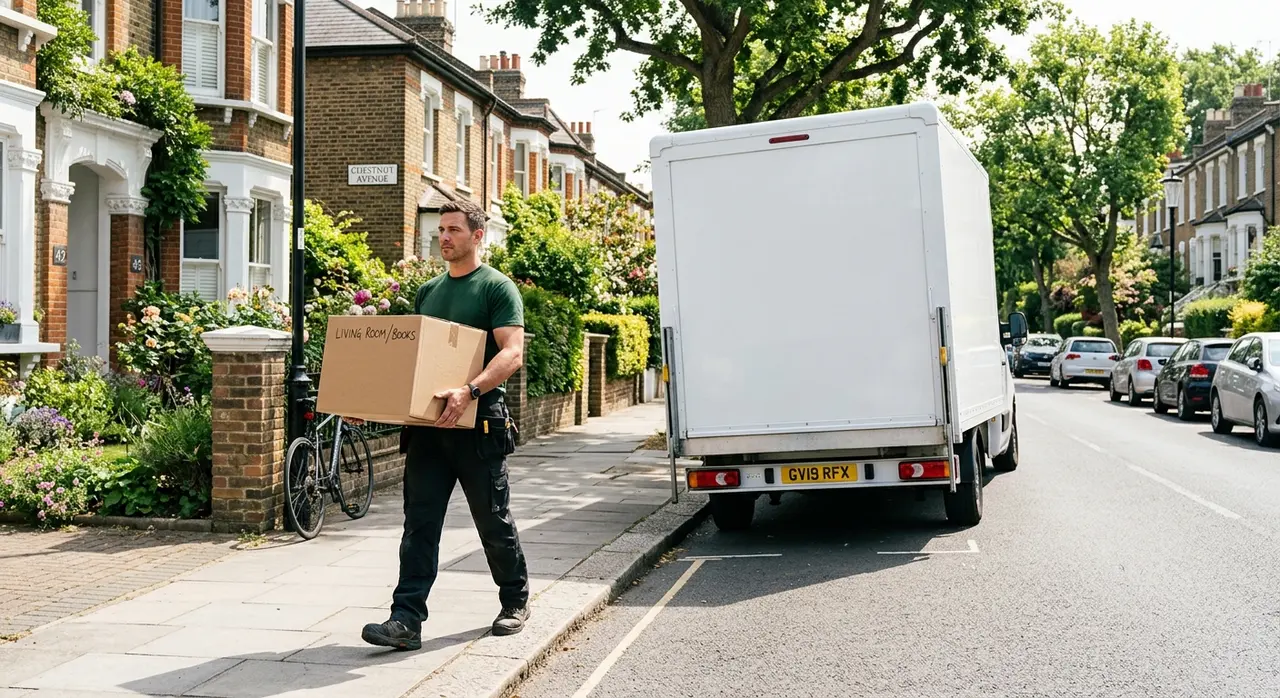
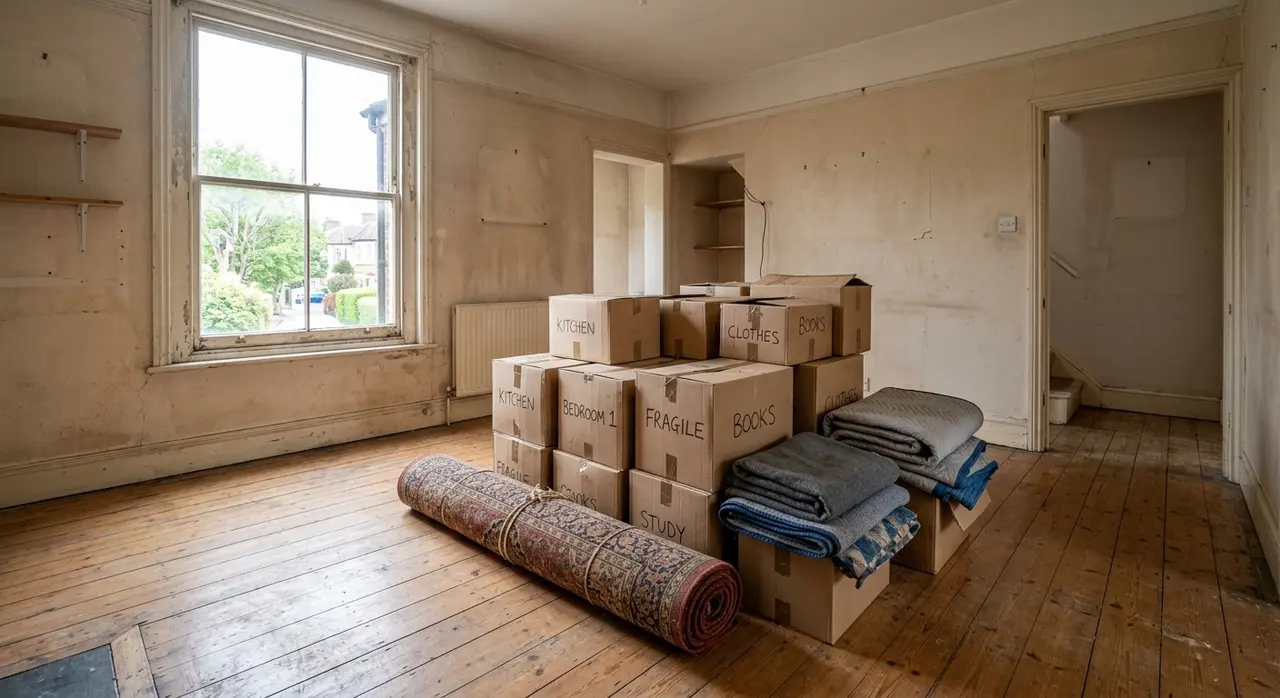
Authentic on-the-day photography from crews across London and the Home Counties.


Need a service?
Get an instant quote from Vehicall Transport today — scan with our AI, browse the price list, or talk to us on WhatsApp.
Book NowRelated reading
Man & Van
Man and Van London: The Complete 2026 Guide to Hiring a Reliable Driver
Everything Londoners need to know about hiring a man and van in 2026 — pricing, vehicle sizes, insurance, ULEZ, congestion charge, and the questions to ask before you book.
Rubbish Clearance
How to Book Rubbish Removal in London: A 60-Second Walkthrough
Book a same-day rubbish clearance in under a minute. Here is exactly how the online booking flow works and what happens after you pay.
Product
Effortless E-Commerce Checkout for Moving & Waste Services: How We Removed the Friction
Why booking a man and van used to take three phone calls and two days — and how our seamless e-commerce checkout pays in 90 seconds.